
A hemoglobin test measures the level of hemoglobin in your blood—a protein inside red blood cells that carries oxygen throughout your body. Low hemoglobin (low Hb) can point to conditions like iron deficiency, vitamin shortages, or other health concerns. If your doctor suspects anemia or you’re experiencing persistent tiredness, an Hb test is often one of the first steps toward finding out why.
What Does a Hemoglobin (Hb) Test Measure?
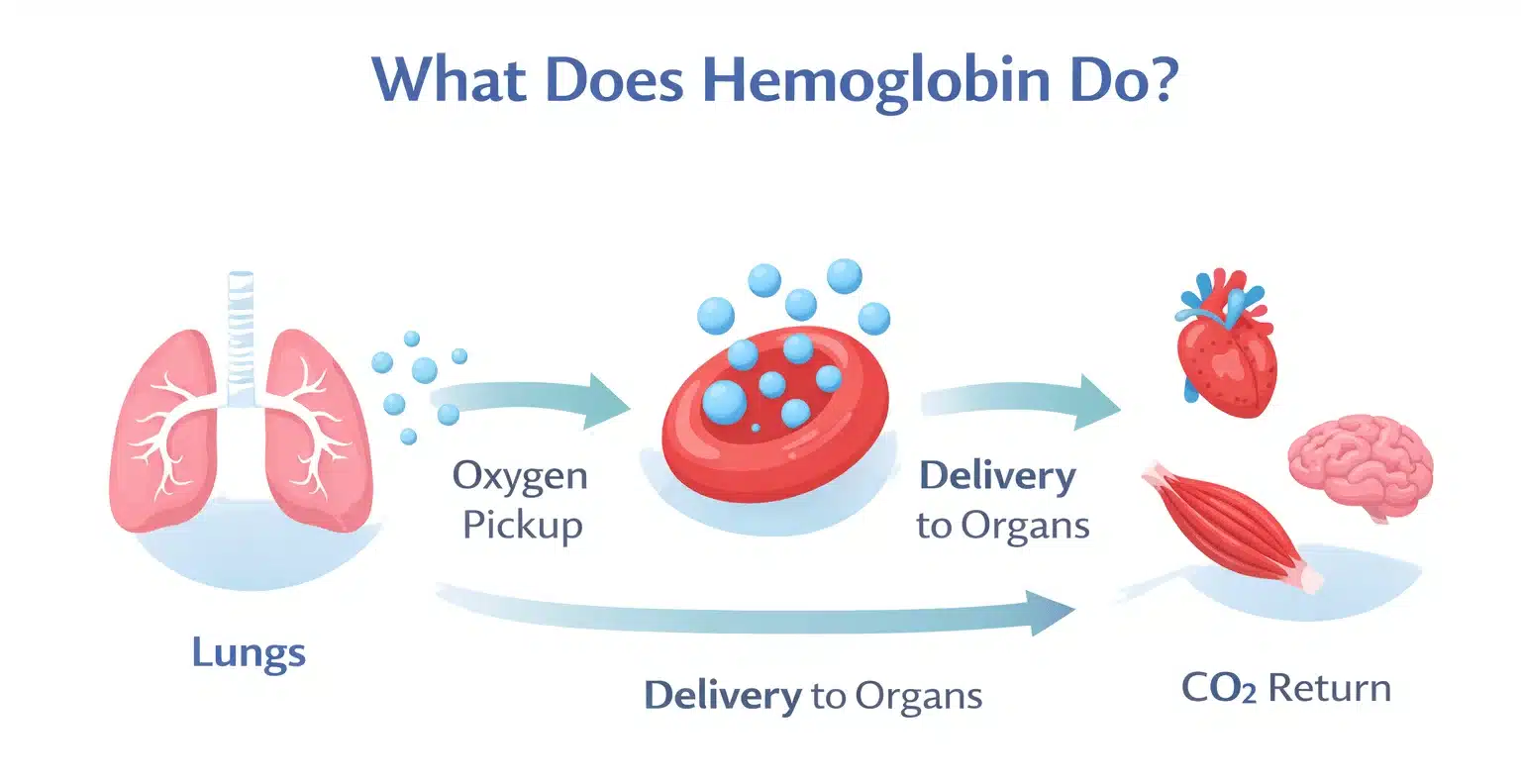
Hemoglobin is a protein found in your red blood cells. Its main job is to pick up oxygen from your lungs and deliver it to every organ and tissue in your body. It also carries carbon dioxide back to the lungs so you can breathe it out.
When a doctor orders a hemoglobin test, the lab measures the concentration of this protein in a small sample of your blood. The result tells your doctor whether your body likely has enough healthy red blood cells to move oxygen efficiently. If the level comes back lower or higher than expected, it may indicate that something needs further investigation.
At Chughtai Lab, this test is listed as Hb and is one of the most commonly requested blood tests across Pakistan.
Common Signs and Symptoms of Low Hb
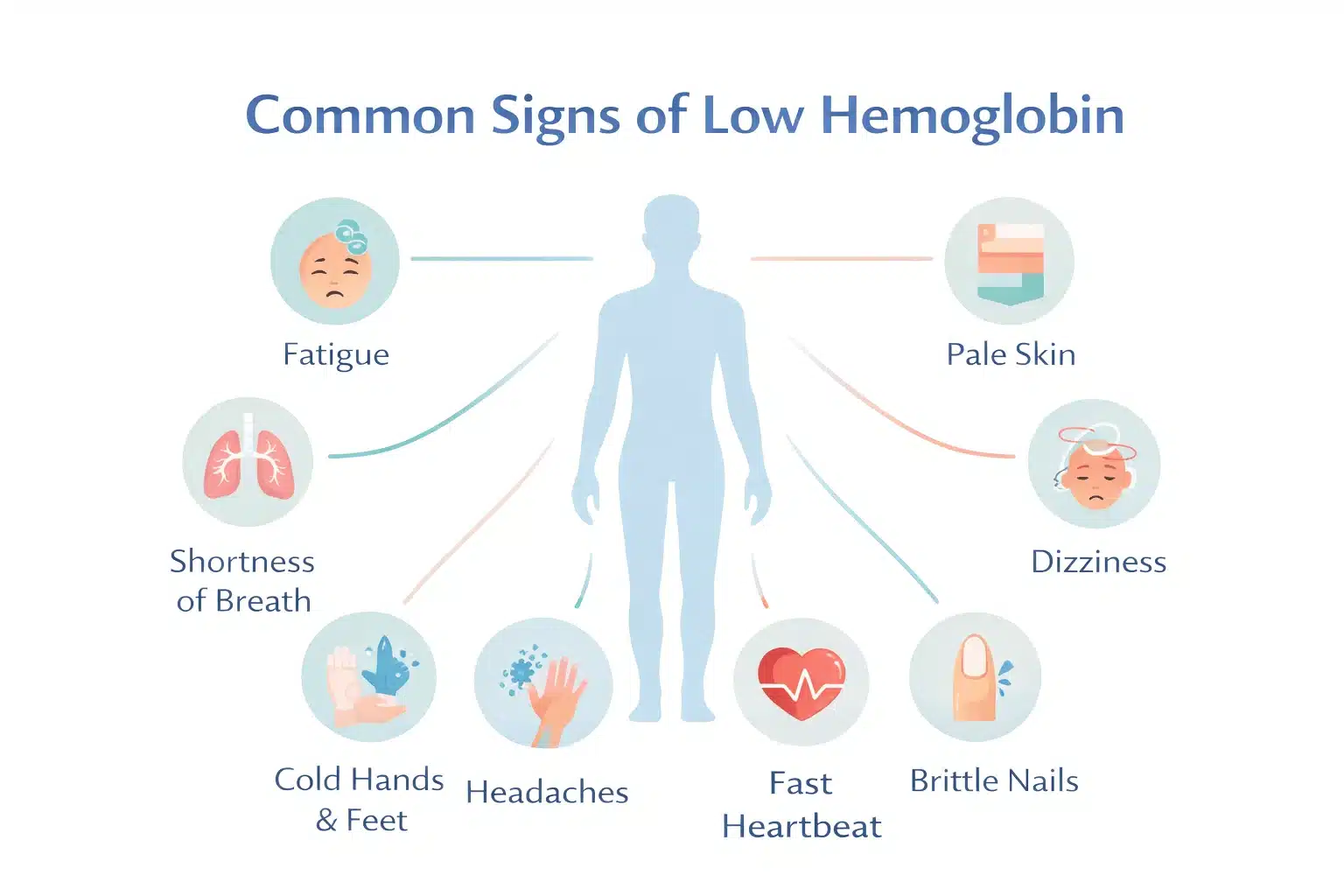
Low Hb doesn’t always cause obvious symptoms right away. When the drop is gradual, your body may adapt for a while before you start to notice changes. However, as hemoglobin continues to fall, the following signs may appear:
- Unusual tiredness or fatigue that doesn’t improve with rest
- Pale skin, gums, or inner eyelids
- Shortness of breath during everyday activities like walking or climbing stairs
- Dizziness or light-headedness, especially when standing up quickly
- Cold hands and feet
- Frequent headaches
- Fast or irregular heartbeat
- Brittle nails or hair loss
These symptoms can overlap with many other conditions, so experiencing one or more of them does not automatically mean you have low hemoglobin. A simple blood test is the most reliable way to check.
Common Causes of Low Hb
Low hemoglobin often referred to as anemia can result from a wide range of factors. Understanding the general categories can help you have a more informed conversation with your doctor.
Iron Deficiency
Iron is a key building block of hemoglobin. When your body doesn’t get enough iron through diet, or when iron isn’t properly absorbed, hemoglobin production may slow down. This is one of the most common causes of low Hb in Pakistan, particularly among women of childbearing age and growing children.
Vitamin B12 or Folate Deficiency
Your body also needs vitamin B12 and folic acid (folate) to produce healthy red blood cells. A shortage in either nutrient can lead to fewer or abnormally large red blood cells that don’t carry oxygen as well as they should.
Blood Loss
Heavy menstrual periods, gastrointestinal bleeding, or recent surgery can reduce the total number of red blood cells, leading to a drop in hemoglobin. Sometimes the blood loss is not immediately obvious and is only discovered through testing.
Chronic Health Conditions
Certain long-term conditions—such as kidney disease, chronic infections, or inflammatory disorders—can affect how your body produces red blood cells. In these situations, low Hb may be a secondary finding rather than the primary issue.
Because the causes are so varied, doctors usually need more than a single hemoglobin reading to pinpoint the reason. This is why additional tests are often recommended alongside the initial result.
Hb Test vs. CBC: What’s the Difference?
You may notice that doctors sometimes order an Hb test on its own and at other times request a complete blood count. The two tests overlap but are not identical.
A standalone Hb test focuses specifically on hemoglobin concentration. It gives a quick snapshot of oxygen-carrying capacity.
A complete blood count—listed as Blood C/E (Complete, CBC) at Chughtai Lab provides a much broader picture. Along with hemoglobin, it measures white blood cell count, red blood cell count, hematocrit (the proportion of blood made up of red blood cells), platelet count, and red blood cell indices such as MCV and MCH.
Doctors often order the CBC because these additional values can help narrow down the cause of low Hb. For example, the red blood cell indices may suggest whether a deficiency is related to iron or to vitamins. That’s why many physicians prefer the CBC as a first-line anemia test—it delivers more diagnostic clues in a single report.
Which Related Tests May Your Doctor Recommend?
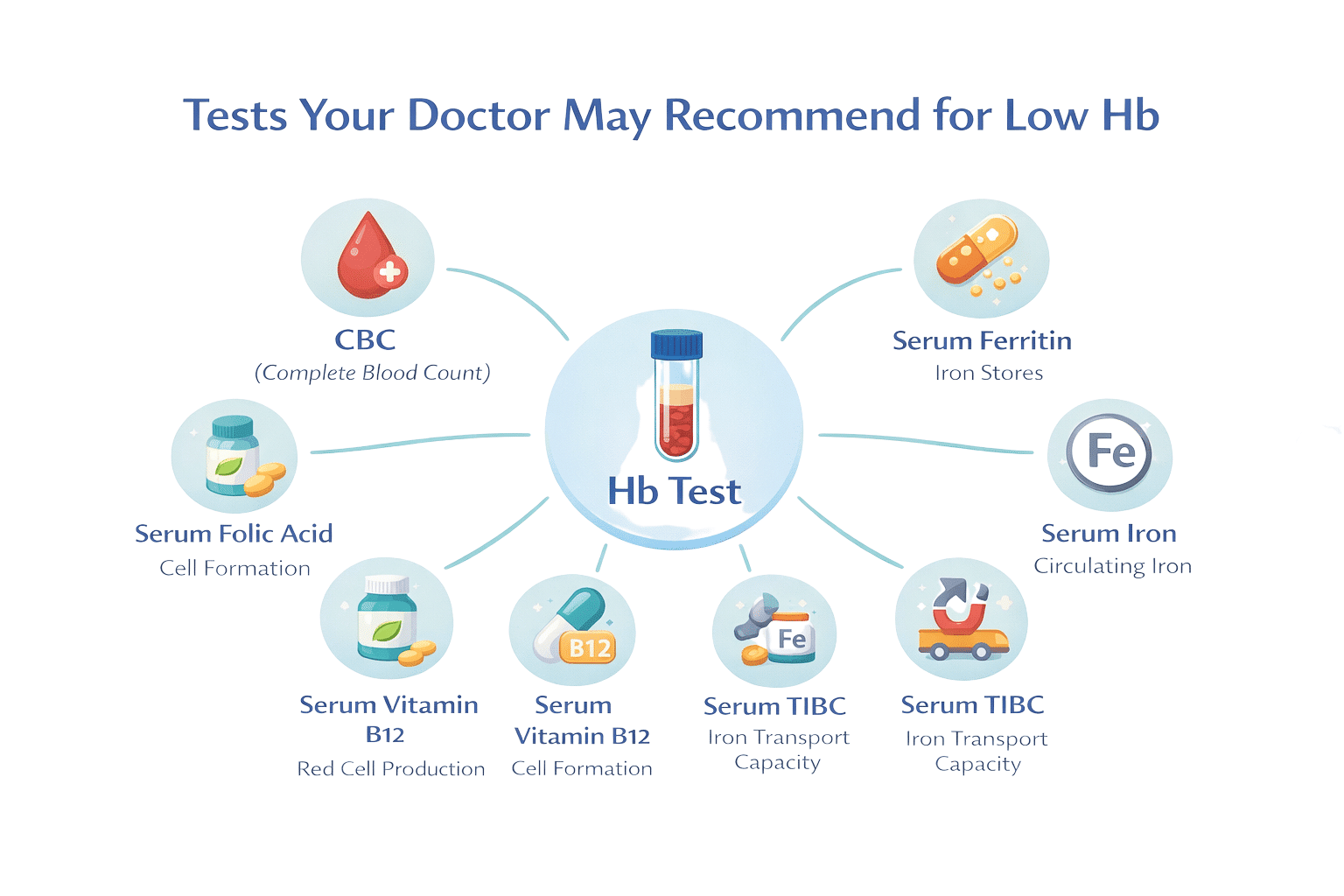
When a hemoglobin test or CBC shows low Hb, your doctor may order follow-up tests to understand the root cause. Here are some of the most commonly requested panels:
Serum Ferritin
Serum Ferritin reflects your body’s iron stores. A low ferritin level can indicate that your iron reserves are depleted, even before hemoglobin drops noticeably. It’s often the earliest marker of iron deficiency.
Serum Iron and Serum TIBC
Serum Iron measures how much iron is currently circulating in your blood, while Serum TIBC (Total Iron-Binding Capacity) shows your blood’s ability to transport iron. Doctors evaluate these two values together to get a clearer picture of iron metabolism. A high TIBC alongside low serum iron, for instance, may point to iron deficiency.
Serum Vitamin B12
If your red blood cells appear larger than normal on the CBC, your doctor may check Serum Vitamin B12. Low B12 can affect red blood cell production and may also cause neurological symptoms like tingling in the hands or feet.
Serum Folic Acid (Folate)
Serum Folic Acid (Folate) is another nutrient essential for red blood cell formation. Folate deficiency is especially important to identify in pregnant women, as it may also affect fetal development.
Your doctor will decide which combination of tests is appropriate based on your symptoms, medical history, and initial results. Not everyone needs every test.
When May a Doctor Recommend Hb Testing?
There is no single rule about when everyone should have their hemoglobin checked. However, a doctor may recommend testing in situations such as:
- You’re experiencing symptoms like persistent fatigue, paleness, or breathlessness that don’t have an obvious explanation
- You’re pregnant or planning a pregnancy—hemoglobin is routinely monitored during antenatal care
- You have a chronic condition (such as kidney disease or diabetes) that can affect red blood cell production
- You’re recovering from surgery, an injury, or significant blood loss
- Routine health screening or workplace medical check-ups
If you’re unsure whether you need an Hb test, your primary-care doctor or general physician can guide you based on your individual health profile.
Preparation and Common Mistakes to Avoid
One of the advantages of a basic hemoglobin test is that it usually requires very little preparation. In most cases, fasting is not required before an Hb or CBC test, though your doctor or lab may give specific instructions depending on other tests ordered alongside it.
Here are a few tips to help ensure accurate results:
- Follow any instructions your doctor or lab provides regarding fasting or timing
- Stay normally hydrated—being very dehydrated can temporarily concentrate your blood and affect readings
- Let the phlebotomist know if you’ve been on iron supplements or any medication, as some can influence results
- Avoid strenuous exercise right before the test, as intense physical activity can temporarily alter blood values
If you’re having several tests drawn at once, the lab team will let you know if any of the other tests require fasting or other specific preparation.
Related Tests at a Glance
To recap, here are the key tests often associated with hemoglobin evaluation: Hb, Blood C/E (Complete, CBC), Serum Ferritin, Serum Iron, Serum TIBC, Serum Vitamin B12, and Serum Folic Acid (Folate). Your doctor will recommend the combination that makes the most sense for your situation.
FAQs
Is the hemoglobin test the same as a CBC?
Not exactly. A hemoglobin test measures only the hemoglobin level, while a CBC includes hemoglobin along with several other blood values like white blood cells and platelets. Doctors often prefer the CBC because it provides a more complete picture.
Do I need to fast before an Hb test?
In most cases, fasting is not required for a standalone Hb or CBC test. However, if your doctor has also ordered tests like a fasting blood sugar or lipid profile at the same time, you may need to fast. Always follow the instructions given by your doctor or lab.
How often should I get my hemoglobin checked?
There’s no universal schedule. People with chronic conditions or those being treated for anemia may need regular monitoring. For generally healthy individuals, hemoglobin is typically checked during routine health screenings or when symptoms arise. Your doctor can advise on the right frequency for you.
Can low Hb be a sign of something serious?
Low hemoglobin has many possible causes, ranging from simple nutritional deficiencies to more complex health conditions. A single low reading doesn’t necessarily mean something serious is wrong, but it does warrant a proper evaluation so your doctor can identify the cause and guide you on next steps.
What’s the normal range for hemoglobin?
Normal hemoglobin ranges vary by age, sex, and the laboratory performing the test. Rather than comparing your results to numbers found online, it’s best to discuss your specific report with your doctor, who will interpret it in the context of your overall health.
Take the Next Step
If you’ve been feeling unusually tired, looking pale, or simply want to check where your hemoglobin stands, booking an Hb test or a Blood C/E (Complete, CBC) panel at Chughtai Lab is a convenient place to start. Our collection centres are available across Pakistan with fast, reliable results.
Talk to your doctor about which tests are right for you, and take the first step toward understanding your health better.




